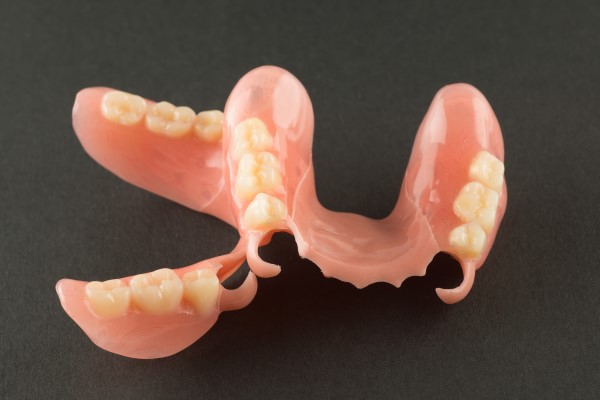
A partial denture is a great way to restore not only your smile but also your confidence. This guide will highlight all of the critical aspects of dentures to help you make the best decisions you can.
What is it?
A partial denture is a removable insert in your mouth, filling gaps created by missing teeth with fake replacement teeth. The replacements look lifelike and are functional in your daily life. It is an excellent option for people looking to bring back their old smiles, as it is much cheaper and more adaptable than implants.
Who needs it?
Generally, anyone with multiple teeth missing in their mouth is a candidate for one. There are other factors to consider, however. For example, any loose or damaged teeth should be pulled first so that replacements can be added to the denture, and surrounding teeth must be strong enough to support the denture.
What types of partial dentures are out there?
There are three main kinds of partial dentures: acrylic, metal, and flexible. Each has its pros and cons. Acrylic dentures can be modified to add more fake teeth to them if necessary. Acrylic dentures are usually the cheapest, both in price and quality. This means that they will need to be replaced and repaired more often, and they can be uncomfortable in your mouth and lead to irritation.
Metal dentures can be modified like acrylic ones but are much sturdier and more comfortable. However, they are more expensive and noticeable in your mouth, as they look like metal instead of blending into the flesh.
Flexible dentures are more lightweight and comfortable than either of the other two. They also last the longest. They tend to be more expensive than acrylic ones but are less costly than metal dentures. However, they cannot be modified or repaired if they accidentally break.
Caring for them
You will need to care for your denture just as consistently as you do for your teeth. It should be brushed gently with a soft-bristled brush, mild soap, and warm water after every meal to prevent bacteria and stains from accumulating on it. Stiff bristles, caustic cleaning products, and hot water will scratch, damage, and warp it.
It should also be soaked every night in warm water or a gentle cleaning solution. Care should be taken not to drop it, especially when cleaning it; it is best to clean it over a soft towel or bowl of water if it slips from your hands.
Repairs
Although taking proper care of your denture will minimize the need for a repair, inevitably, the time will come. If the denture starts to fit more poorly in your mouth over time, it is essential to take it in to be readjusted. Failure to do so puts it at greater risk of damage.
Even if your denture does crack or break, it can likely be repaired. You should consult with your dentist to discuss your options. It is important not to repair it at home or wear it when it’s broken or damaged. Doing so can damage both the denture and your mouth further.
Check out what others are saying about our dental services on Yelp: Partial Denture in Murfreesboro, TN.
Recent Posts
Snoring can be an embarrassing problem that affects both your and your partner's sleep quality at night. Fortunately, there are many simple snoring treatment without resorting to surgery or other invasive measures. Using a treatment device, such as a mouth guard or nasal strips, is a great way to block off your airways so they…
Root canal therapy is often the final step in saving a severely damaged or infected tooth. However, in most cases, a general dentist will recommend placing a dental crown after root canal therapy to contribute to your long-term oral health. This restoration strengthens and protects the treated tooth, helping the tooth to maintain its function,…
Whether you are about to book an appointment for tooth implants or you have just undergone the procedure, you probably want to learn proper aftercare to ensure healing and recovery. One of the questions that patients often ask is what and what not to eat after surgery. Although placing implants ensures that you have dental…
Getting a dental filling is a common procedure where a dentist restores the integrity of a decayed or damaged tooth. After placing a filling, you need to take the correct steps during recovery to ensure its durability and long-term effectiveness. Avoiding certain activities and habits promotes long-term oral health and prevents potential complications.One of the…