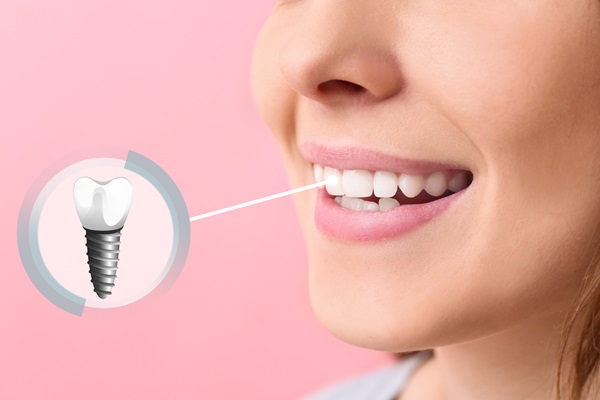
Whether you are about to book an appointment for tooth implants or you have just undergone the procedure, you probably want to learn proper aftercare to ensure healing and recovery. One of the questions that patients often ask is what and what not to eat after surgery. Although placing implants ensures that you have dental functionality, osseointegration needs to occur, and this process may take a while.
Eating after tooth implants placement
Like any major dental procedure, it takes a while for a dental implant patient to recover from the treatment and return to normal life. In this period, patients need to follow the post-procedure guidelines to ensure a successful experience without complications. The following is a guide to eating after getting implants.
First, patients need to note that their body requires nutrition for a full recovery. This means eating healthy meals to ensure healing. Those on a special diet for a medical condition like diabetes should stick to that and ask their dentist for further guidelines.
Foods to eat
After the procedure, the dentist needs to be aware of one's food choices. Some ingredients in soups and other liquid foods may be acidic, causing irritation and a burning sensation. Hot foods and drinks should be avoided in the first 24 hours after the procedure. Also, the use of straw for drinking is not advisable.
In the first week after surgery, patients should avoid chewy foods that put pressure on the gums when chewing. It is better to use soft or pureed foods, such as soups, yogurt, mashed potatoes, puddings, milkshakes, oatmeal, boiled eggs and cheese.
Dairy products are excellent options because they have high calcium and protein content, which are vital for strengthening the jawbone and accelerate the rate at which the bone fuses with the implants.
In the second week after dental implants, patients should still stick to a soft diet because the gums will still be sensitive and should be treated with care. If one must eat meat, it should be minced or soft fish that does not need serious chewing. After two weeks, the gums will have healed enough to be able to resume normal foods to an extent, but it is better to be cautious and avoid putting pressure on the gums (especially tough and crunchy foods).
Fruits and vegetables are essential for health and healing, but select the ones that are easy to eat with minimal chewing. Overly sour and acidic fruits should be avoided because they can cause pain around the implant area.
In conclusion
Aside from foods, patients need to stop smoking one week before getting tooth implants until a few weeks after the procedure, since smoking inhibits the healing process. After the procedure, you can be excited about eating your favorite meals again. Still, it is vital that you eat proper foods during the healing stage because it affects long-term dental implant success.
Request an appointment here: http://www.drmccawley.com or call James R McCawley DDS at (615) 526-2497 for an appointment in our Murfreesboro office.
Check out what others are saying about our dental services on Yelp: Tooth Implants in Murfreesboro, TN.
Recent Posts
People who have been recommended to get dental implants may be wondering how to take care of them after surgery. Implants are artificial teeth held in place by metal posts positioned in the gums. They are constructed to look and function like natural teeth; thus, managing them is similar to caring for regular teeth. Once…
Your dentist will more than likely be the professional that will determine if you need dental implants. General dentists can recommend procedures, but they do not typically perform this type of surgery. There are a few different options when it comes to finding someone qualified and experienced enough to help you get the smile you’ve…
Are you tired of loose dentures or tooth loss that impacts your daily life? All-on-4 implant treatment from a restorative dentist provides a permanent solution to restore your smile. Missing an entire arch of teeth changes everything from speaking to chewing and eating. Fortunately, modern restorative dentistry provides a straightforward way to a healthy and…
Most people grow up hearing that dental care means one checkup with a family dentist every six months. While that schedule works well for many patients, it is not the right fit for every smile. Some people benefit from more frequent visits because their oral health needs, habits, or medical history place them at a…